
The Hollyhock Humanities Fellowship
The Hollyhock Humanities Fellowship is a year-long professional learning opportunity for experienced 8-12th grade social studies teachers in the NYC area.
Fellows receive a $3,000 stipend and participate in a thoughtfully designed program that includes a summer seminar, school-year intersessions, and ongoing coaching—all focused on deepening content knowledge and instructional practice by advancing rigor, equity, and joy into every history lesson.
If you are passionate about teaching history and are excited to learn and grow in a community with other dedicated teachers, we invite you to apply!
Interested in learning more, nominating a teacher or applying?
Virtual information sessions are held weekly January–March and applications are open December–April.
“The Hollyhock Humanities Fellowship has been one of the greatest learning experiences of my teaching career. That is not hyperbole. This has been the first time I have gotten solid skills and content to grow my practice and engage my students intellectually. I have never felt more taken care of, heard and more at ease than at this program. You helped build better teachers and a great community. Thank you.”
Matt
Spring Creek Community High School
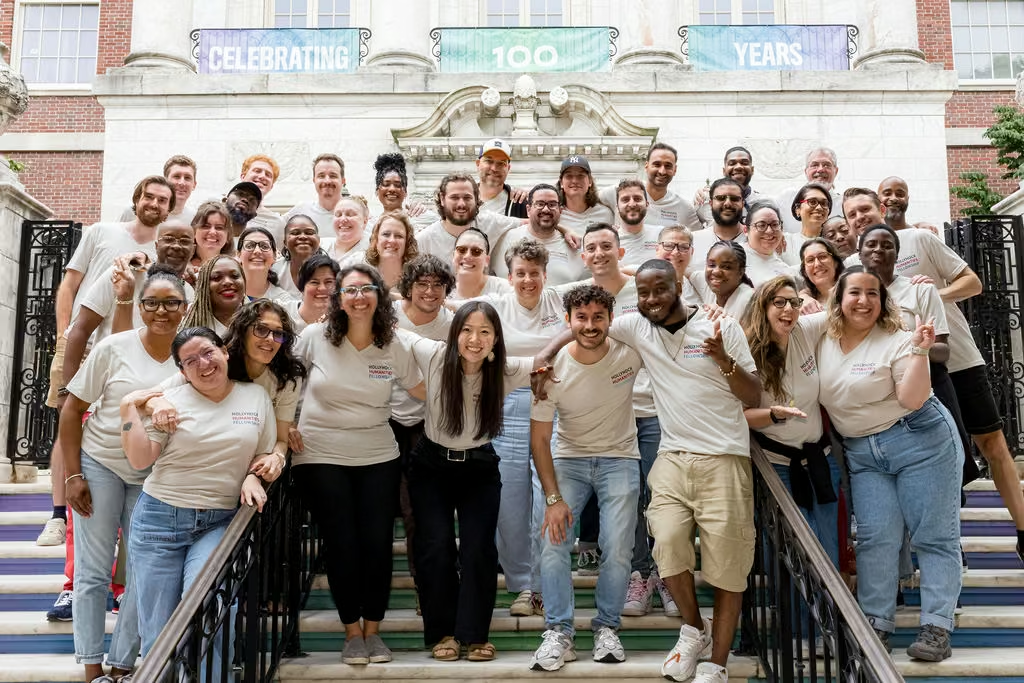
Reignite Your Passion for History
- Engage with renowned historians
- Participate in a paid summer seminar at the Museum of the City of New York
- Enjoy exclusive field excursions to many more cultural institutions
- Explore this year’s theme: Unfinished Revolution: The American Revolution and its Impact

"This was without a doubt the most impactful professional development experience I've had in my teaching career. I wish every teacher could have the experience to collaborate with peers from across the city, learn from such renowned and accomplished scholars, and be exposed to new research-backed teaching strategies from our amazing facilitators."
Ian
Repertory Company High School for Theater Arts, NY, NY
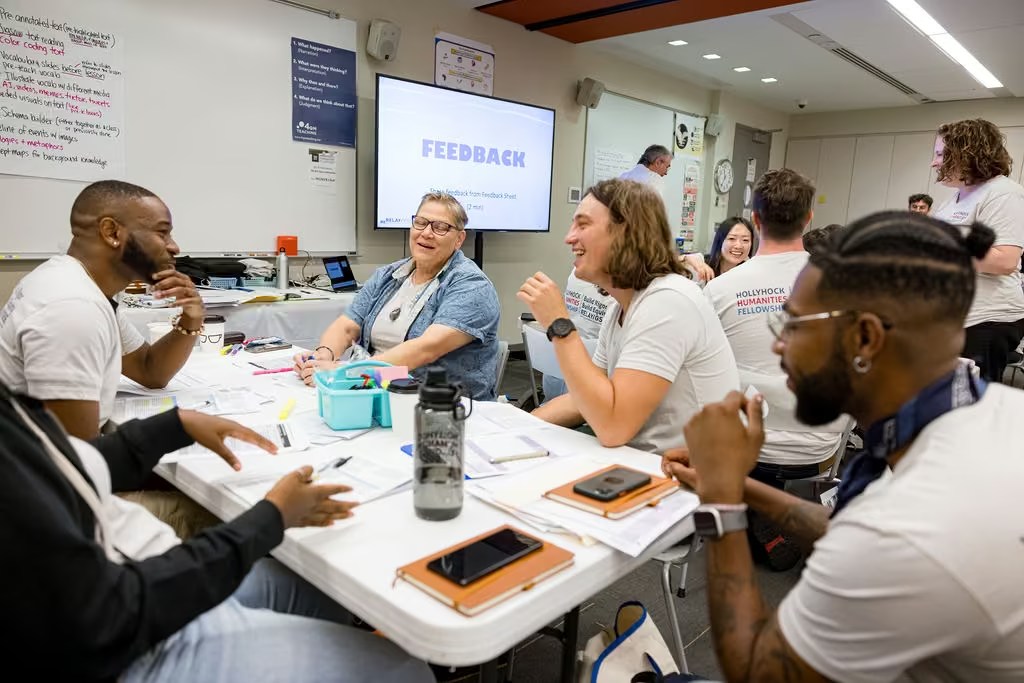
Reinvigorate Your Love for Teaching
- Learn innovative pedagogy in close reading, discourse, and historical thinking
- Access a wealth of resources, primary documents, and lesson plans
- Receive supportive coaching throughout the school year
“So far this has been one of the best professional developments that I've attended. I have improved my craft more in the past few months than I have in my 10 previous years combined.”
David Nasser
KIPP Academy High School, Bronx , NY
Find Your People
- Connect with an exciting, diverse community of dedicated social studies teachers
- Join a network of alumni who continue to grow and collaborate together
- Feel seen, heard, and valued!
.avif)
“This program provided me with a community of like-minded individuals who help me feel seen and supported–a community of thought partners who are always willing to share resources and wisdom. I couldn't have asked for a better experience to reinvigorate my passion for teaching and history”
Joseph Davis
UA School for Applied Math and Science, Bronx NY
About the Fellowship
Who should apply
The Hollyhock Humanities Fellowship is open to:
- 8th–12th grade social studies teachers
- With 3 or more years of classroom experience Even veteran educators with decades of experience have found the fellowship deeply enriching.
- Based in the New York City area, Fellows are expected to attend in-person programming at the Museum of the City of New York and participate in school-based coaching throughout the year.
While the fellowship theme focuses on U.S. History, the pedagogy can apply to any social studies classroom. Almost half of our fellows teach Global and Gov/Econ.
We welcome teachers from district, charter, private, and parochial schools, and prioritize those working in under-resourced communities.
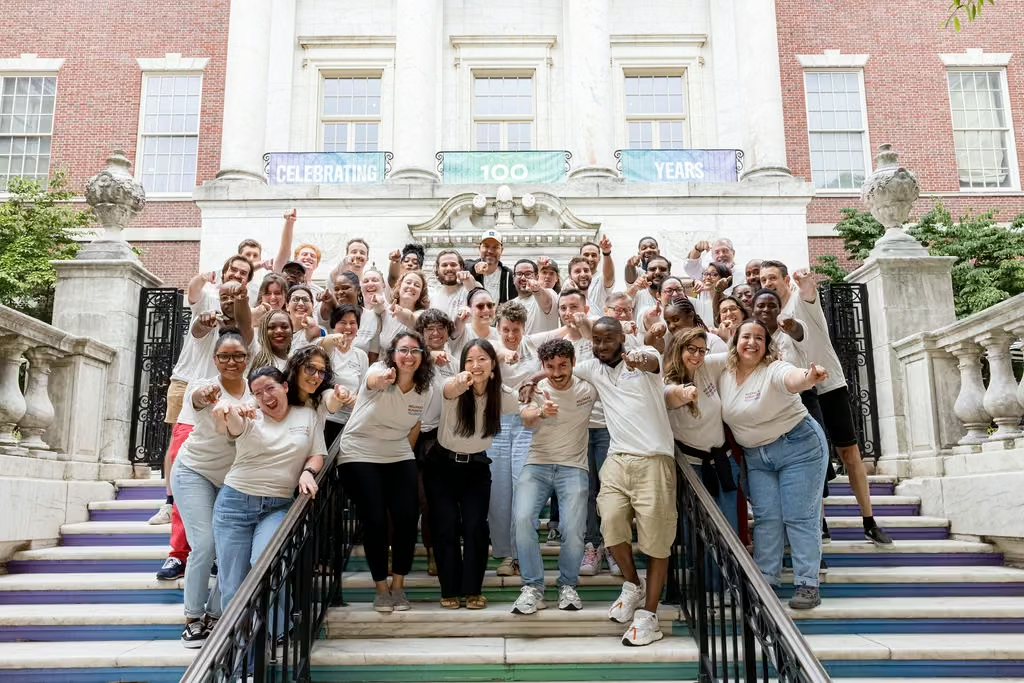
The Hollyhock Humanities Fellowship experience
Two-Week Summer Seminar
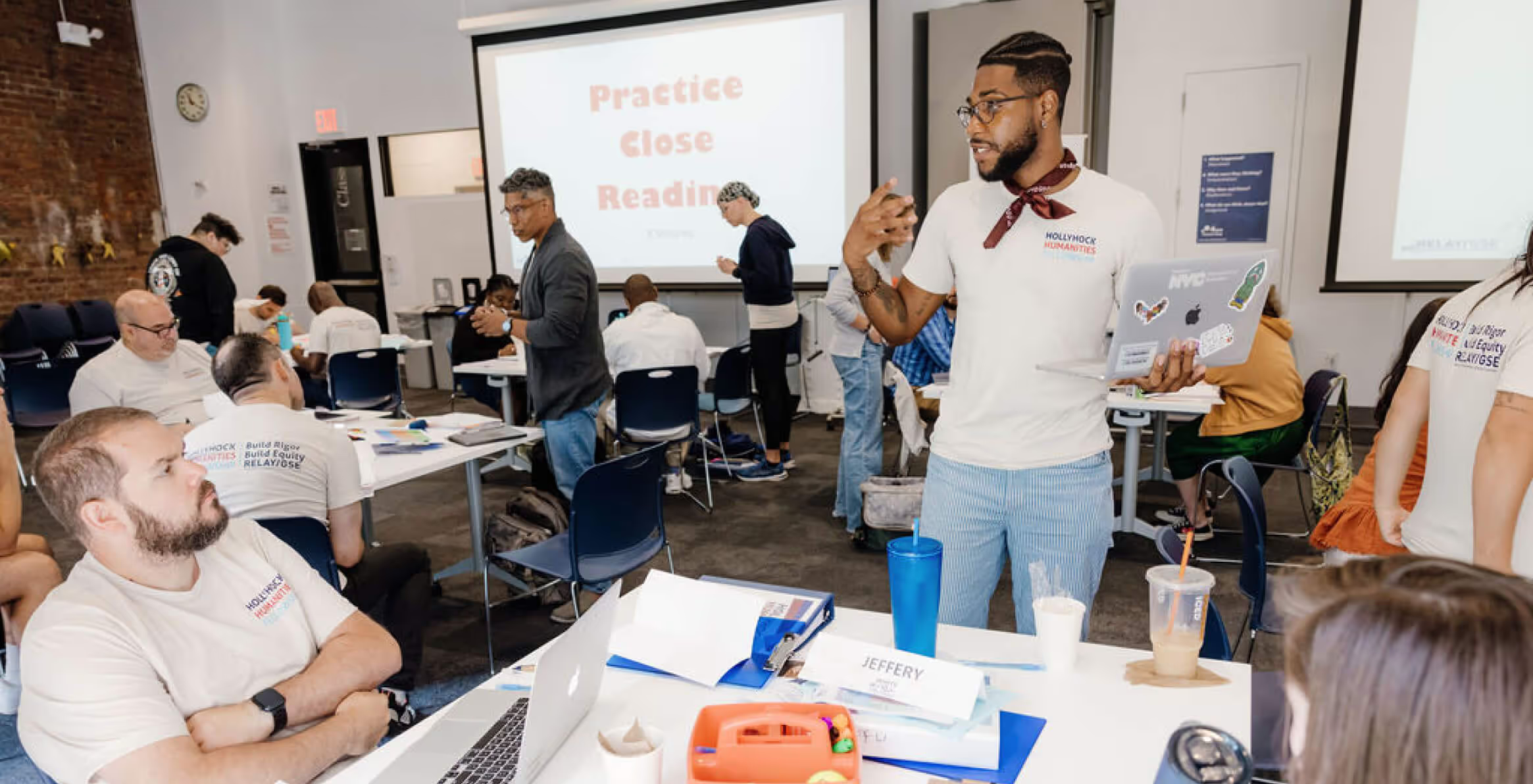
In late July, fellows engage in two weeks of professional learning at the Museum of the City of New York, grounded in rich historical content and pedagogy.
They learn from renowned historians, explore primary sources and artifacts, visit cultural organizations around the city, and participate in sessions on close reading, discourse, and historical thinking using the Four Question Method.
Four Saturday Intersessions
Fellows participate in four Saturday intersessions throughout the year—typically in October, December, March, and May.
These sessions build on the summer experience through practice labs and workshops that strengthen instructional skills, while also offering continued opportunities to engage with guest lecturers and collaborate with NYC cultural organizations.
Ongoing Coaching
Throughout the school year, fellows receive personalized instructional coaching as part of a supportive professional community. They’re observed in-person or virtually by expert coaches, share classroom videos and lesson materials, and engage in reflective conversations to strengthen their practice.
What resources does the Hollyhock Humanities Fellowship provide?
Stipend
$3000, disbursed throughout the Fellowship
Professional Education Credits
75 CTLE Continuing Education Credits and an opportunity for 4 A+ or P Credits.
Materials
Access to high-quality, resources, primary documents, and professional growth opportunities throughout the school year
2026-2027 Fellowship Dates
Summer Seminar
- July 20 – July 31, 2026
School-Year Intersessions
- Saturdays—October 3, December 5, 2026, March 6, and May 22, 2027
Unfinished Revolution: The American Revolution and its impact

Summer Seminar Faculty
Dr. Alan Taylor
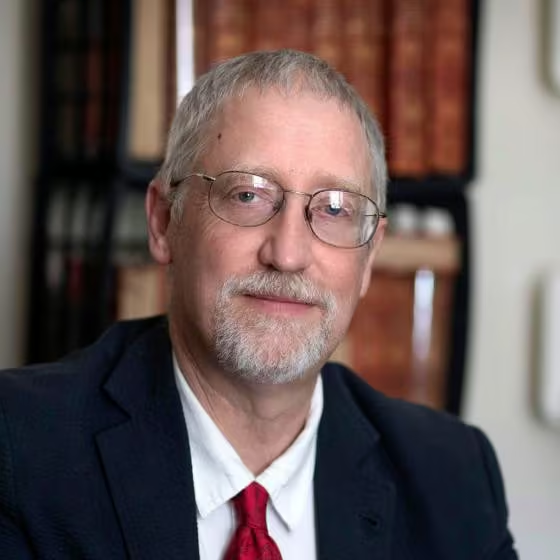
Dr. Alan Taylor
Dr. Alan Taylor is a highly acclaimed American historian and professor emeritus of the University of Virginia, specializing in the American Revolution. He is a two-time Pulitzer Prize winner. Taylor's work often presents a broader, "continental" perspective on early American history. We will focus on his work American Revolutions
.jpg)
Dr. Carol Berkin
Dr. Carol Berkin
Dr. Carol Berkin is Presidential Professor of History Emerita at Baruch College & the Graduate Center,CUNY. She is the author of several books, including Revolutionary Mothers: Women in the Struggle for America’s Independence; She will teach about women and the American Revolution.
Dr. Terry Anne Scott
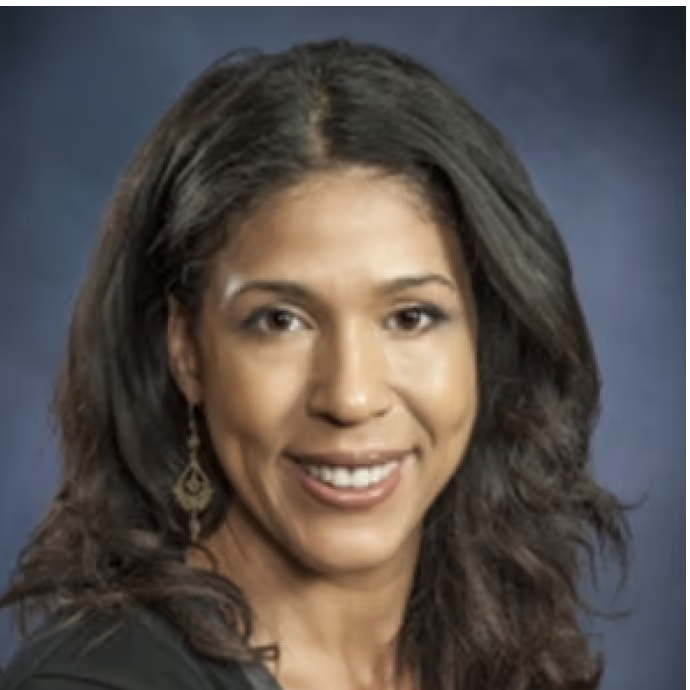
Dr. Terry Anne Scott
(Director, Institute of Common Power) An award-winning historian, author, and speaker, Dr. Scott’s work explores African American social and cultural history, as well as political movements. She will focus on the history of Blacks in the American Revolution.
%20(1).jpg)
Dr. David Armitage
Dr. David Armitage
Dr. David Armitage, a Professor at Harvard University, is the author or editor of nineteen books. Most relevant for our seminar being, The Declaration of Independence: A Global History. He is an expert on Intellectual and International History.
.jpg)
Jamey Verrilli
Jamey Verrilli
With 25+ years in urban education and over a decade training teachers, Jamey leads highly engaging, practice-based, joyful pedagogy sessions to help teachers build rigor and equity through close reading and discourse.
Dr. Jon Bassett and Dr. Gary Shiffman
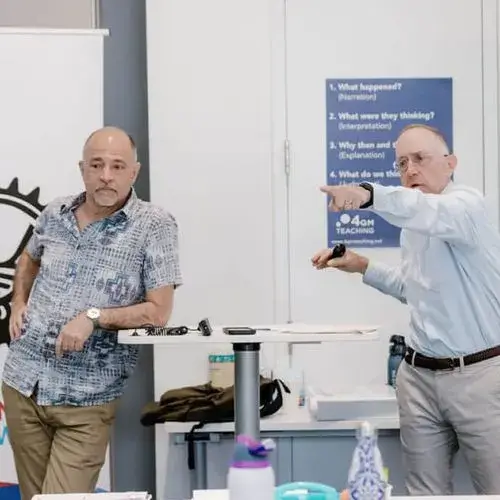
Dr. Jon Bassett and Dr. Gary Shiffman
Dr. Jon Bassett and Dr. Gary Shiffman (Authors of From Story to Judgment: The Four Question Method for Teaching and Learning Social Studies)Jon and Gary are veteran public school history teachers. They will support fellows in applying the Four Question Method in their own instruction.
Summer Seminar Activities
Cultural Institution Visits
Fellows will enjoy exclusive access to the Museum of the City of New York and visit other prominent institutions through guided tours led by curators and experts. These experiences include analyzing exhibition narratives and exploring classroom connections.
For example:
- New York Historical Society
- Tenement Museum
- Inside Out Tours: Slavery and the Underground Railroad in NYC
- Museum of Modern Art (MoMA)
- Fraunces Tavern and Museum
- NYC Revolutionary Walking Tour
Program Satisfaction and Quality Outcomes
100%
97%
99%
What Fellows Are Saying
"It has given me more in my career than any other professional development opportunity. It has given me community. Reignited my flame for teaching. Given me effective and accessible tools to incorporate into my practice, and surrounded me with loving and caring fellows and coaches."
Joseph
Urban Assembly School for Applied Math and Science, Bronx NY
“This fellowship ignited my flame and made me realize that teaching is truly an act of love and reminded me of why I became a teacher”
Clioria
Urban Assembly School for Collaborative Health Care, Brooklyn , NY
“The time I spent at Hollyhock I was able to engage in some of the most amazing pedagogical work that I've ever had a chance to engage in, in my 14 yrs teaching.”
Marion
George Washington Carver HS for the Sciences, Queens, NY
“The Hollyhock Humanities Fellowship has been transformative in helping me become a more effective and reflective educator for our children. Collaborating with teachers from across the city allowed me to share best practices, and support diverse learners, Most importantly, my classroom today is more dynamic, empathetic, and academically rigorous, ensuring that every student has the opportunity to think deeply, take risks, and grow."
Victor
Mount St Michael Academ
"This fellowship reminded me why I became a teacher in the first place. It pushed me to see my classroom not just as a place where content is delivered, but as a space where young people discover their own power through stories, questions, and dialogue. The fellowship gave me a community of educators who believe in justice and possibility, and that community has sharpened my practice. More than anything, it made me a more intentional teacher. one who is not only teaching skills but also helping students imagine and shape a more humane world."
Jeffrey
Brooklyn Preparatory High School, Brooklyn, NY
Frequently Asked Questions
How do I contact Relay about the Hollyhock Humanities Fellowship?
To request more information, please email us at jverrilli@relay.edu and put “Hollyhock Humanities Fellowship” in the subject line.
When are the Hollyhock Humanities Fellowship applications available?
Applications open December 1, 2025, with rolling admissions through April 6, 2026.
Should I apply if I am not sure I can make a commitment to participate in all activities in summer and across the year?
Full participation in the entire two-week Summer Seminar, as well as the year-long coaching and Saturday workshops, is a requirement. If you’re unsure about your ability to commit to all aspects of the program, we recommend applying in a future year when your schedule allows.
Is the Hollyhock Humanities Fellowship only for US History Teachers?
While the content focus of the Hollyhock Humanities Fellowship is U.S. History: Unfinished REvolution: The American Revolution and its Impact) all social studies teachers (including global, government, and economics teachers) are encouraged to apply.
- A deep dive into a key historical period important for all educators.
- Pedagogy sessions focused on skills like document analysis, close reading, discourse, and equity, which apply broadly across social studies.
- Supportive coaching tailored to your specific curriculum.
- The understanding that teaching careers evolve, and you may teach multiple history and teach U.S. History in the future.
Why is the Fellowship limited to teachers with at least 3 years of experience?
The program is designed for educators who have established foundational skills and are ready to deepen their practice through reflection, collaboration, and coaching, with an emphasis on growth as both teachers and potential leaders within their schools.
When are the Summer Seminar and the Saturday Intersessions?
The Hollyhock Summer Seminar will be held from July 20 - July 24 and July 27 - July 31 2026
- Classes will run from 9:00 AM to 4:30 PM.
- There are no classes on the weekends.
The Saturday Intersessions will take place on:
- Oct. 3, 2026
- Dec. 5, 2026
- March 6, 2027
- May 22, 2027
- Intersessions will run from 9:30am to 4:30pm
What is a typical day like at the Hollyhock Summer Seminar?
The Summer Seminar runs from 9:00 AM to 4:30 PM Monday through Friday for two weeks at the Museum of the City of New York, with additional opportunities for socializing and community-building activities in the evenings.
The day includes professional development sessions, where we’ll dive into content, engage in intellectual discourse on relevant topics, and focus on practice-based pedagogy.
Coffee, beverages, snacks, and lunch will be provided each day, along with afternoon trips to NYC’s renowned cultural institutions on select days.
Our goal is to foster a community of teaching professionals that extends well beyond the two-weeks.
What kinds of things do I need to do to prepare for the summer institute if I am accepted?
Fellows will be asked to write a brief biography about themselves for the website, as well as complete a few readings, including two books and specific documents from a collection of primary sources.
How are the CTLE credits I earn through the Fellowship documented?
Relay will email each Hollyhock Fellow a transcript with a record of the CTLEs earned after the summer and school year. This transcript can be used as verification of professional learning hours from the Fellowship.
*Please note that these are not graduate credits, as fellows are not enrolled as graduate students at Relay. Fellows are also responsible for sharing their own CTLE documentation with their school.
How can I contact Relay about the Hollyhock Humanities Fellowship?
To request more information, please email jverrilli@relay.edu and put “Hollyhock Humanities Fellowship” in the subject line.
Can I participate if I don’t live in New York City but teach nearby?
Yes—if you teach in the greater NYC area (NY, NJ, or CT) and can attend all in-person sessions at the Museum of the City of New York (including the Summer Seminar and Saturday intersessions), you are welcome to apply. The fellowship provides subway fares for local public transportation but does not cover housing or long-distance travel.
May I apply if I am a SPED or ESL teacher?
If you are a SPED teacher who teaches social studies content to students in grades 8–12 and meet the other eligibility criteria, you’re welcome to apply. At this time, we do not offer separate sessions for SPED or ESL teachers.
Apply and Nominate
Applications are now closed but you can always ask us questions via the interest form.
Nominate a Teacher
Know a teacher who would be a great fit for this program? Nominate them, and we’ll personally invite them to apply. If they do, you could receive a $25 referral bonus!
Application Information
Eligibility Requirements
Applicants must:
- Teach social studies or history in grades 8–12 (Teachers from any curricula are welcome – including government, economics, US history, and world history)
- Have 3+ years of teaching experience
- Maintain at least a part-time teaching role at their current school throughout the fellowship
- Attend the full Summer Seminar
- Fully participate in and prepare for all school-year coaching sessions and Saturday workshops
- Have access to a laptop that supports the required technology
- Preference will be given to teachers in under-resources schools where more than 50% of students receive free or reduced-price lunch.
Criteria for Selection
We are looking for educators who demonstrate:
- A belief in equitable outcomes for all students
- A belief in personal responsibility to work for those equitable outcomes for all students
- Demonstrated growth mindset to continuously improve with openness to feedback and a willingness to practice and to be videoed while teaching.
- Investment in collaborating with a community of colleagues
- Support from school administration to participate fully during the summer seminar and school year and bring what you learned back to your school
- A strong belief in equitable outcomes for all students
- A commitment to personal responsibility in working toward those outcomes
- A growth mindset and openness to feedback, including a willingness to practice and be recorded while teaching
- Enthusiasm for collaborating with a community of educators
- Support from school leadership to participate fully and bring learning back to their school
Application Timeline
Applications open December 1, 2025, and will be reviewed on a rolling basis through April 6, 2026.
- Round 1: Apply by February 9, 2026 (notifications by February 23)
- Round 2: Apply by March 9, 2026 (notifications by March 23)
- Final Round: Apply by April 6, 2026 (notifications by April 20)
Applications are now closed, but we encourage them to submit questions via the interest form.
2026-27 Hollyhock Humanities Fellows Cohort
Hollyhock Humanities Fellowship is excited to welcome these 58 educators from NY and NJ to learn and grow together as a community. Click on their photos below to see their Teaching Superpower!

Michele Abraskin
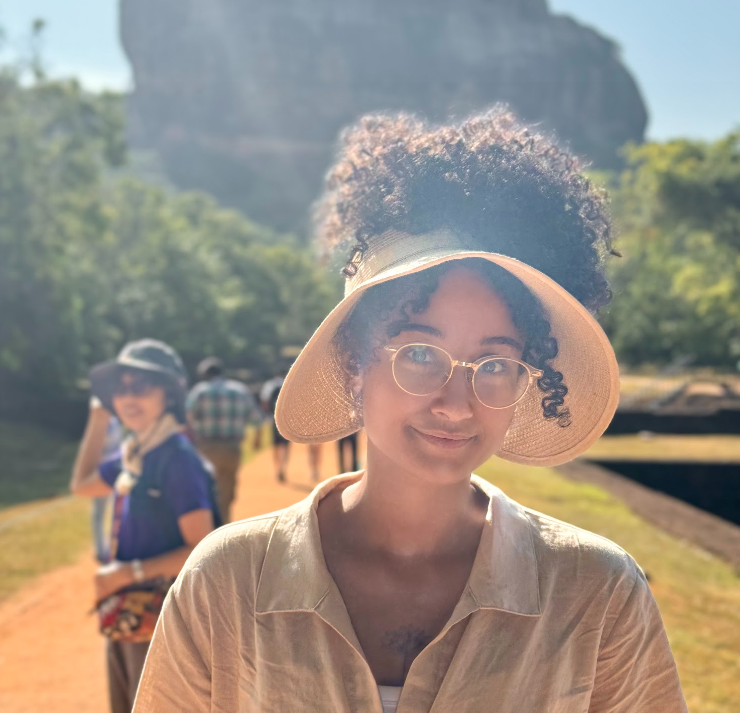
Myar Alkhulaqi
My superpower is creating a classroom filled with warmth, community, and persistence while honoring the unique differences each of my students brings. I strive to build a space where every student feels valued, supported, and empowered to grow.
.jpg)
Nicholas Anderson
Prioritizing discussion and student-led inquiry!

Simone Anderson

Mia Barbato
My teaching superpower is designing fun, inquiry-based Q3 and Q4 lessons that get students actively exploring history through activities, debate, and problem-solving.

Christopher Battist
Making teaching history culturally relevant and bridging connections to modern day!

Adele Binni
I am passionate about what I teach and show students they can do anything difficult if they set their minds to it.

Trevor Body
Being an avid gamer helps me understand and relish motivation and its drivers. Also, my undergrad work on freewill (lack of?) informs my teaching daily.

Kayla Bradford-Hodge

Sarah Brownson
In my classes, the social studies that we engage in help students to understand our world right now.

Daniella Cardia
Finding common ground across students' abilities and interests
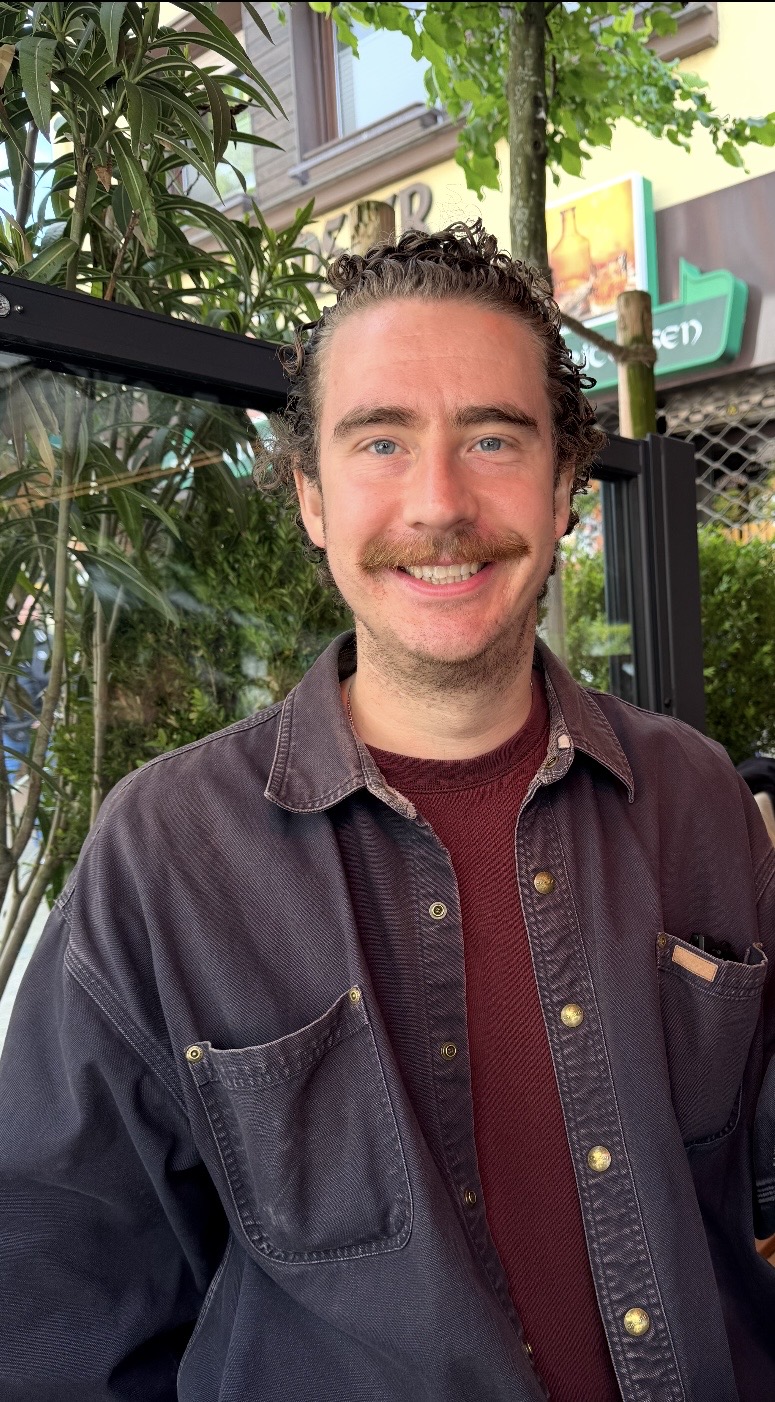
Milo Cowles
My ability to provide contemporary analogies for historical situations and contexts.

Timothy Cox
I want my students asking why certain people or events are missing from the story, who decided this. Hopefully, they will be able to see how the included and excluded past is impacting their lives.

Melia Douyon
I build strong, trusting relationships with students and create engaging, structured lessons that make rigorous content accessible to all learners. I use data-driven strategies and clear frameworks to push students to think critically and succeed with confidence.

Zakaria El Tanamli
I believe I bring creativity and curiosity to my teaching.

Ben Esser
On my best days, I am joyful and silly and intellectual.

Jennifer Estrada
My Teaching Super Power is my ability to foster and harvest strong interpersonal relationships with my students by providing the ability to see themselves in history. I use my students' identities to engage and relate to the beauty of history!

Philip Evans
The ability to not only remain patient, but find the silver lining in a situation.

Taqiyah Gibbons
My teaching superpower is the grace and patience I show my students—I meet them where they are while still holding them to high expectations and reminding them that with hard work, they can achieve anything. I also use a multimodal approach—videos, artifacts, primary and secondary sources, and lecture—so every type of learner has a meaningful way to access and understand the content.

Meagan Gibeson
My teaching superpower is facilitating students' abilities to unveil their own meaning of political and social events, past and present, by helping to connect their own experiences to the world around them.

Deborah Glick
I am incredibly warm and loving with my students, and am able to make social studies feel relevant and engaging!

Mark Godwin
Differentiation- Using videos, images, and maps to make lessons more accessible to all types of learners. Also making dbqs
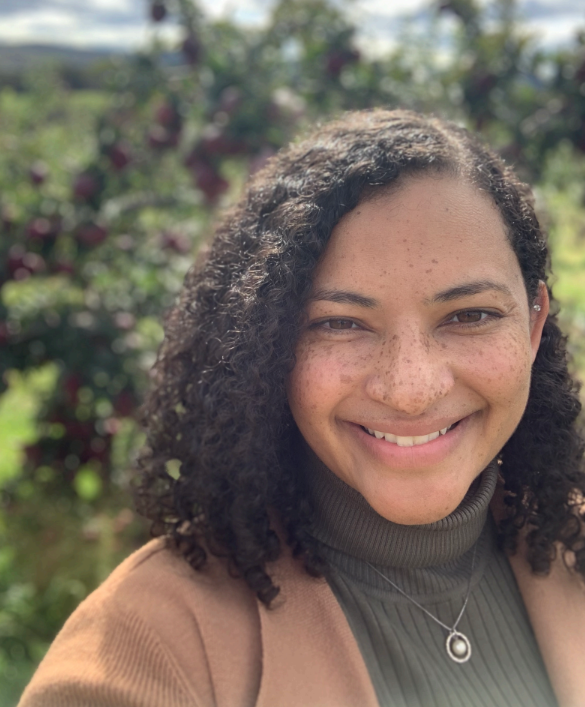
Maryanne Greenaway
My superpower is holding high expectations and then supporting my students to get there in their own way! Knowledge of history is a path to excellence in their futures.

Tiffany Gross
I can read a room pretty well; knowing when to pivot, slow down, apologize if I was impatient, rephrase something tricky, lighten the mood or ask a student to take a break before they melt down.

Tiffany Hamilton
I try to relate historical events to contemporary themes in America.

Kelly Hinshaw-Young
The ability to make History engaging and fun for students. History is about telling a story and making events that happened in the past relevant to todays students, I've spent a amazing amount of time to ensure my students feel like a part of the story.

Brandon Holmes
I'm relatable, empathetic, and flexible. For me , my biggest goal is taking knowledge off the pedestal of elitism. It's all learnable, teachable, and often formulaic.

Zameer Hussaini
Passion for the subject with the intention of having my students appreciating the social sciences to apply that in their academic careers along with having them become informed citizens.

Jordan Jampol
My greatest power is my ability to develop trust and rapport with my students. I assume all students are capable and competent, and I approach each of them as individuals with the same respect I want them to show towards me.
Alexandra Jones
I am a perpetual advocate for student voice and choice, and think students know best what is important to learn!

Jessica Kraker
I think I'm a good mix of guidance and goofball that high schoolers need - quick to laugh at myself and with them, but also always there when they need support, real talk, or a reckoning.

Ruth Landis
My teaching superpower is my storytelling; history becomes so much more exciting when it is taught with enthusiasm, detail, and a good cliffhanger here and there!
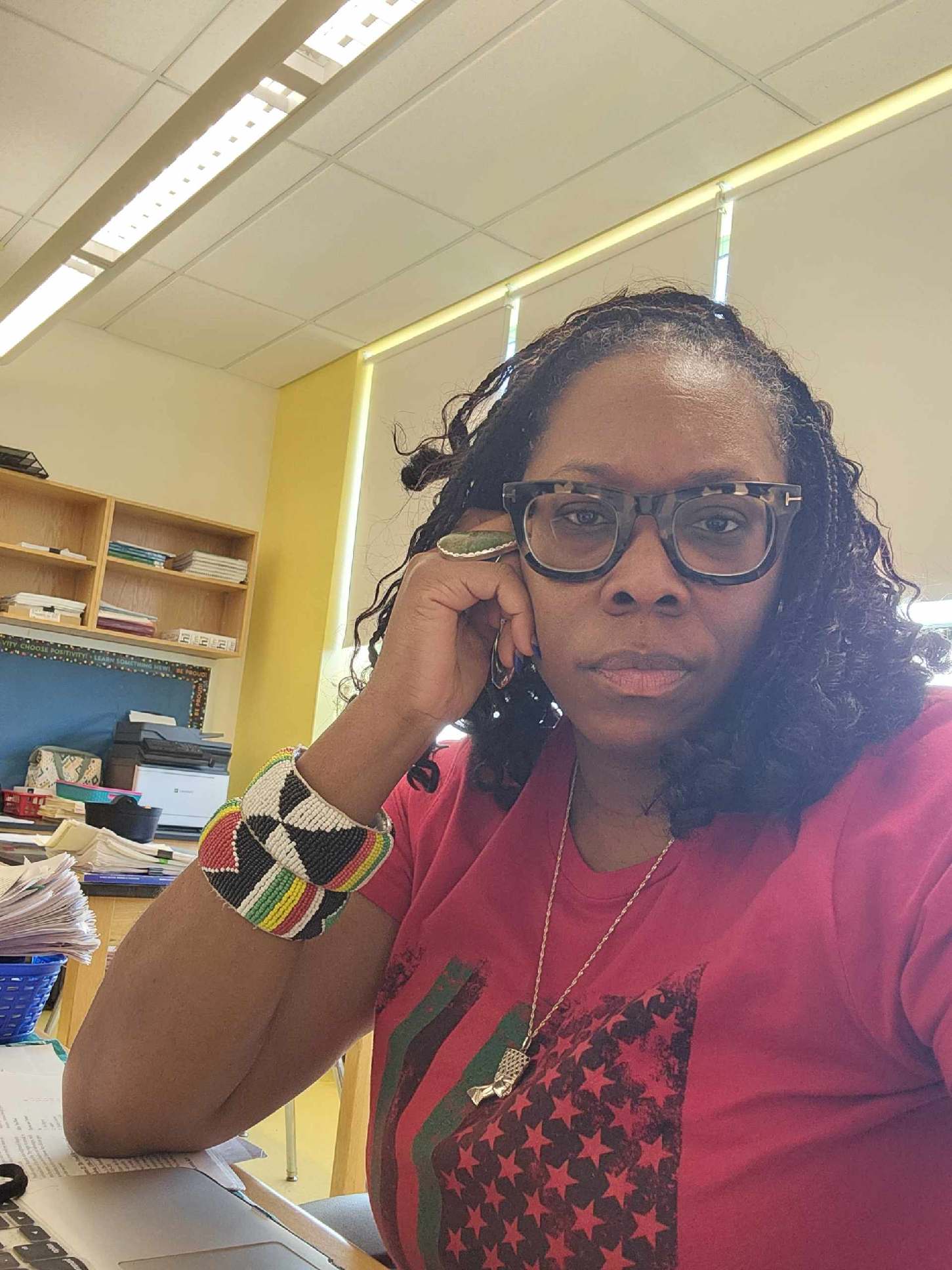
Jamila Mullen
My down-to-earth personality and ability to bring culturally responsive education in the classroom in a fun and engaging way.

Brendan Murphy
My teaching superpower is turning complex history into dynamic, story-driven lessons.

Brett Murphy
Skye Navarro
My teaching superpower is my ability to see my students’ hearts—to understand who they are beyond the surface and meet them with empathy, patience, and intention. I turn that insight into something powerful and real, creating a classroom where students feel seen, safe, and inspired to grow into their fullest selves.

Joshua Perez
Creating a culturally responsive classroom that emphasizes joy, empathy, and critical historiography

Gabriel Quiroga
My teaching superpower is making learning accessible to multilingual learners by embracing multiple languages in the classroom and encouraging translanguaging.
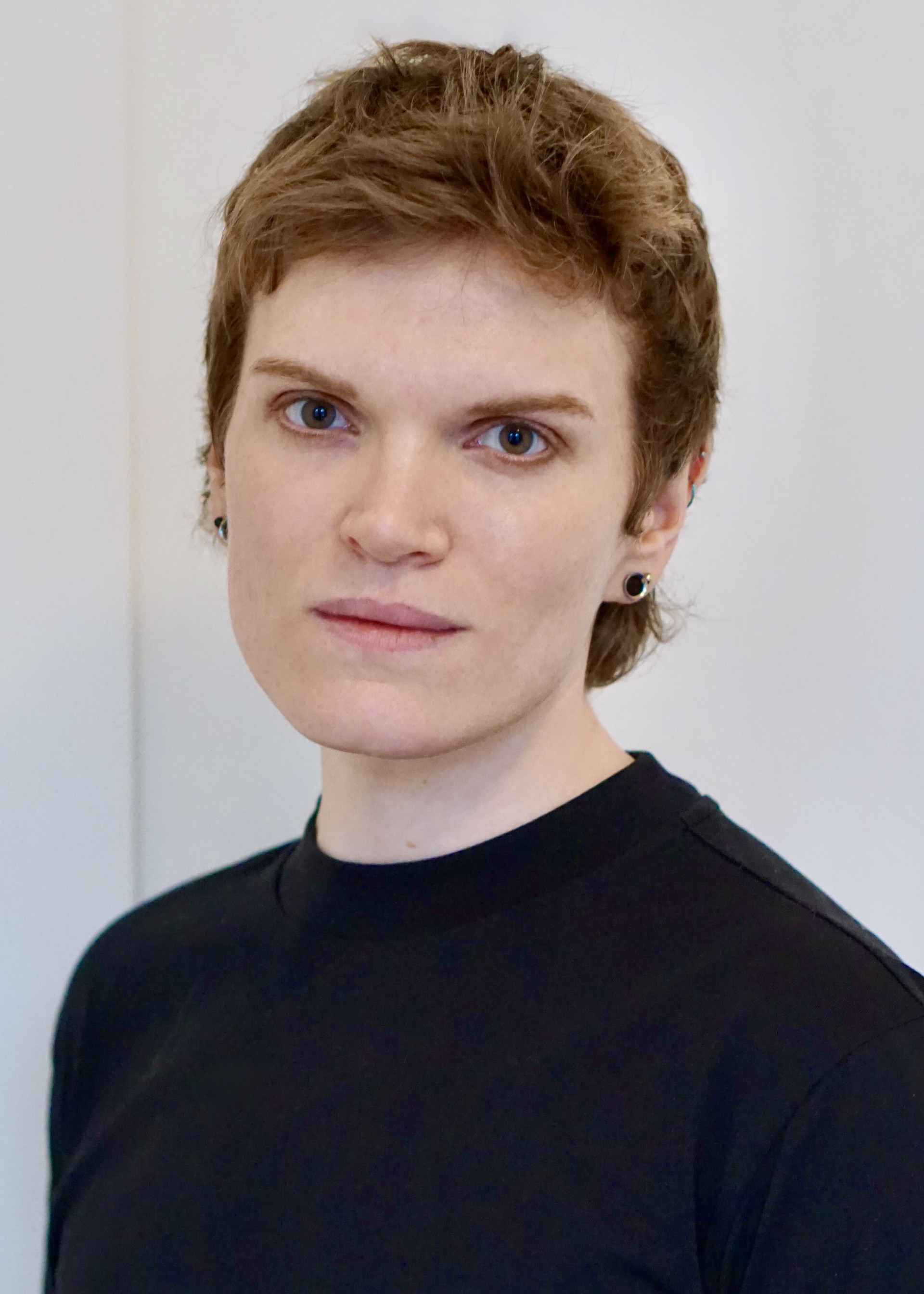
Jessica Richter
I'm a great teacher because I apply my background in experiential education and I love teaching students how to express themselves through writing.

Joshua Robertson
My ability to engage with my students on a personal, human level!

Jennifer Rosenbloom
My commitment to my students and passion for women in history :)
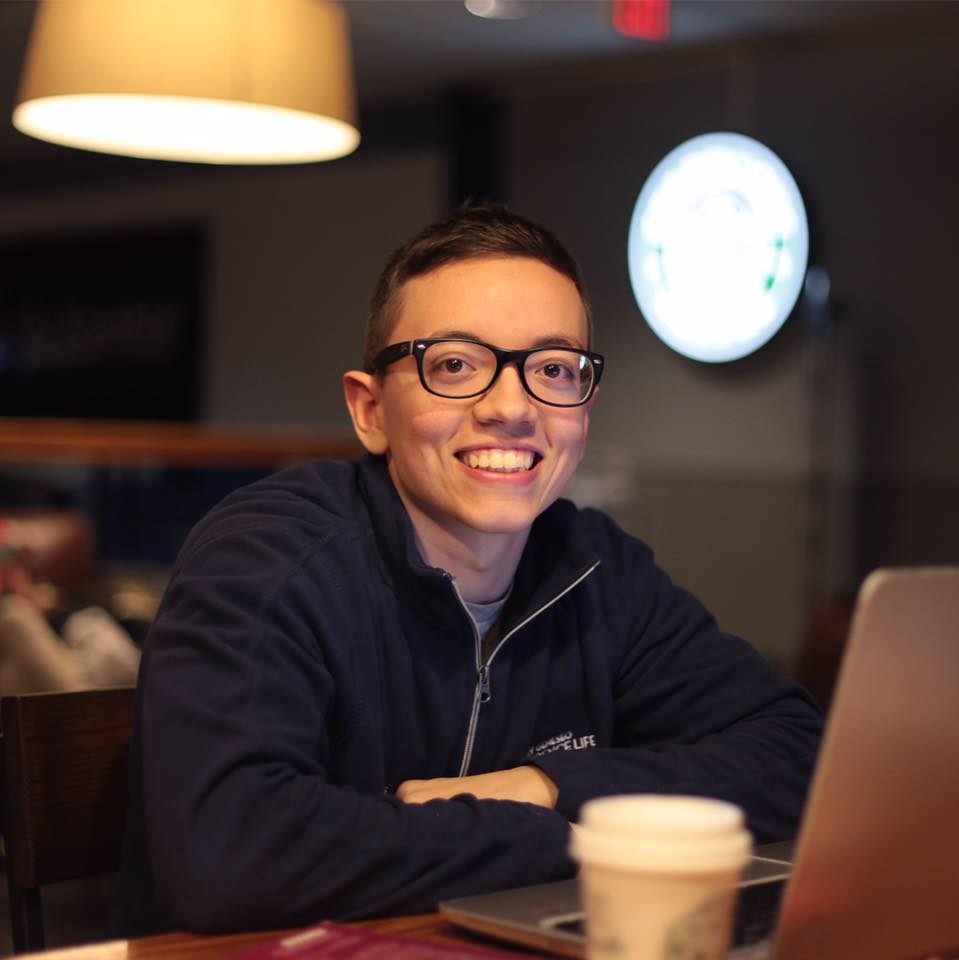
Christopher Ruiz
I break down complex ideas into clear, accessible learning experiences while still pushing students to think deeply and independently. I build strong relationships with my students, creating a classroom where they feel supported, motivated, and accountable for their learning.
Michael Senise
Flexible to student interests and relating them to content areas

Rohan Sharma
I put students in the middle of history, asking them to think, argue, and defend their ideas with evidence. My classroom feels like a time machine where students are actively making sense of the past, not just hearing about it.
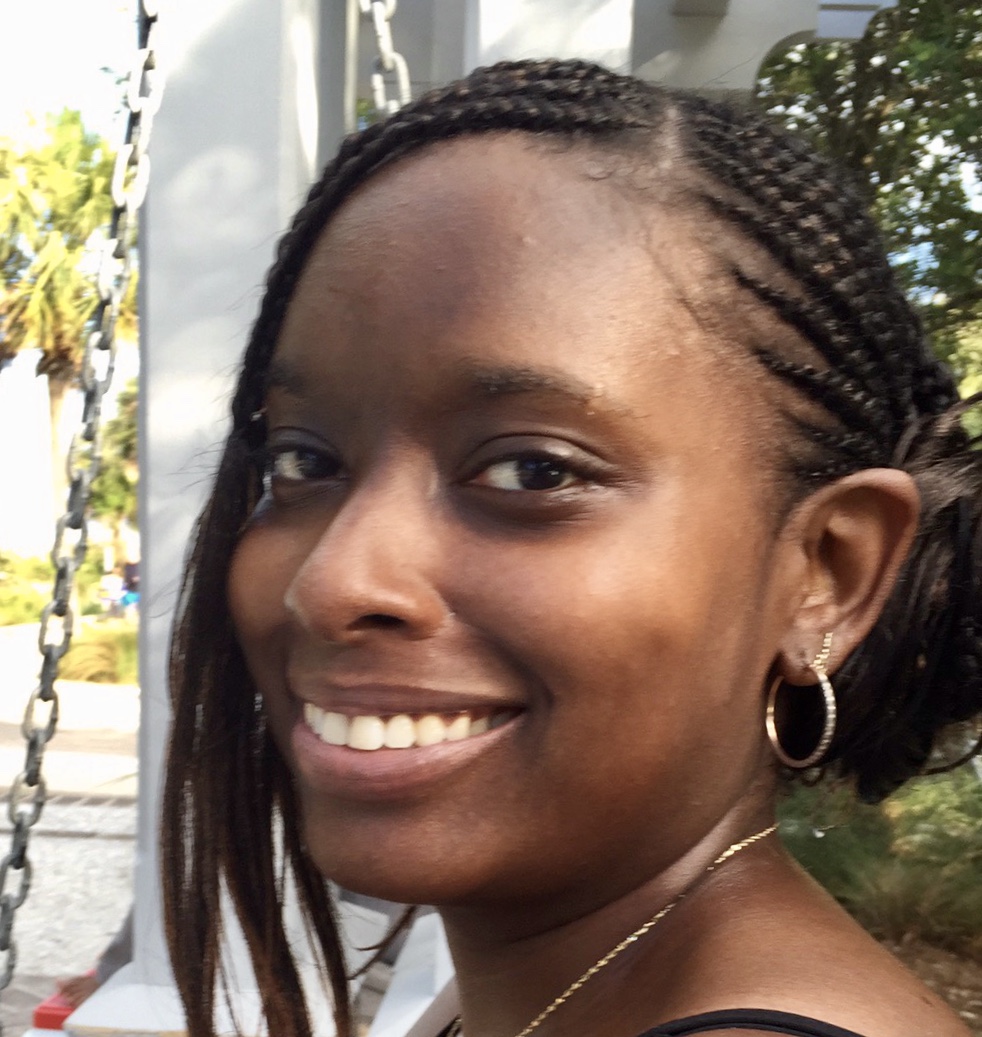
Jatera Simmons
Many of my students enjoy discussing controversial topics, so my combination of dry humor, using current events and their interests to make these issues more relatable has had a powerful impact over the years.

Shayla Simon
I foster strong, trust-based relationships with my students, grounded in genuine care, which creates a supportive and engaging classroom environment.
Alyssa Smith
My Super Power is being a life-long learner and making the past, present.

Max Sorice
Making real world connections to history and encouraging responsible role playing.

Sarah Stone
I remind every student they are experts in their own experiences and their voices matter - within our school, city, and political system.

Pak / Ryan Tang
Compassionate Knowledgeable
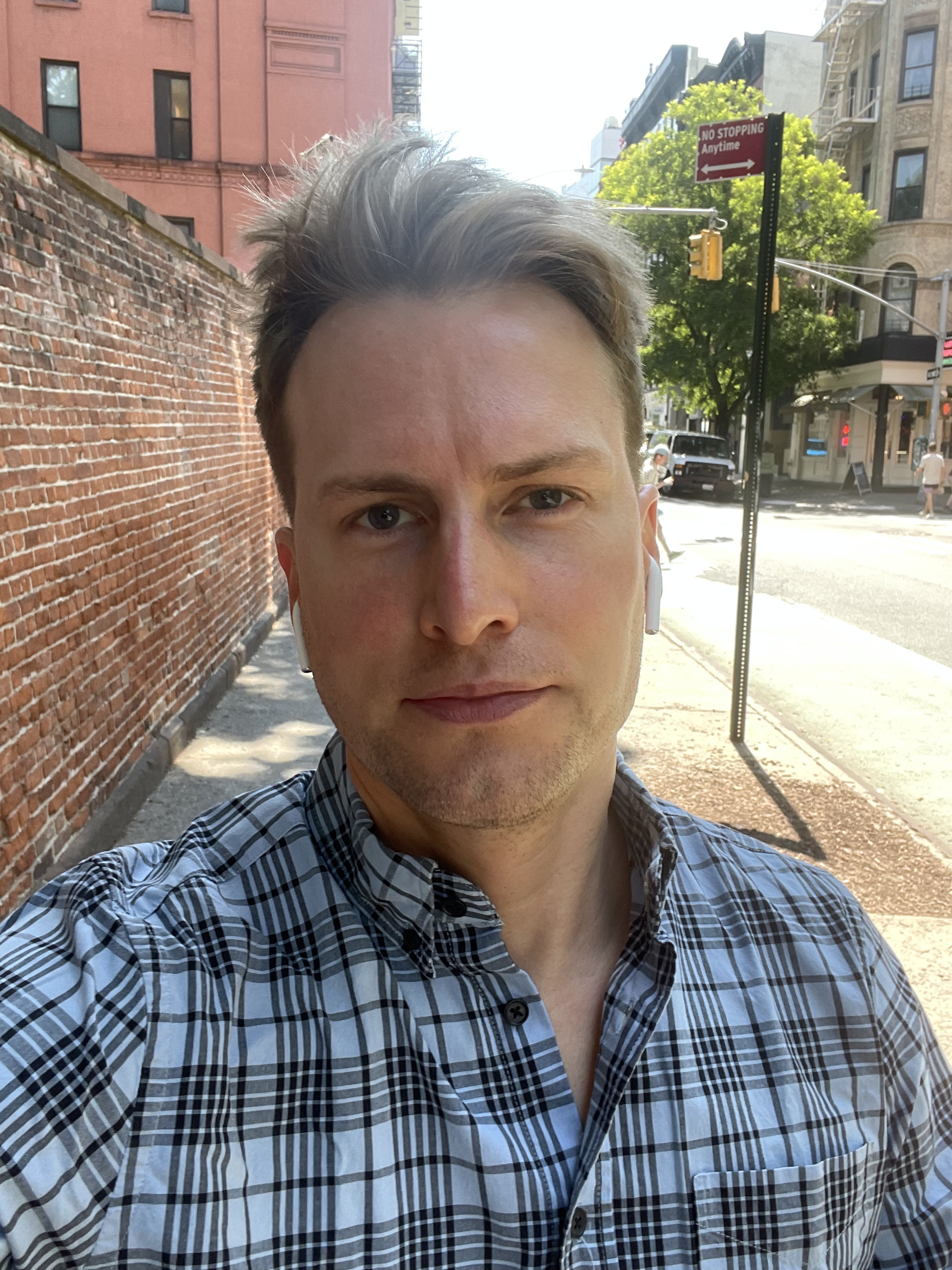
Jacob Trimpe
Living abroad helped me develop empathy and the ability to see history and my students from multiple perspectives.
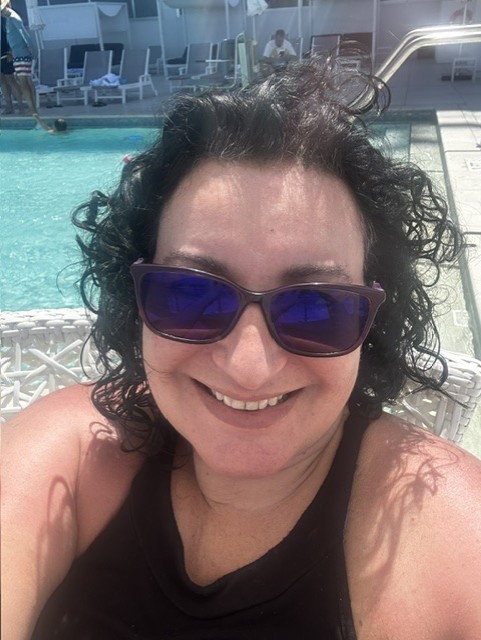
Mary Tsentides-Pieri
I believe in racially equitable instruction, in which students are reading, writing, and discussing in every class using sources that are culturally responsive. History is learned through analyzing multiple perspectives.

Jason Vargas
My teacher superpower is building strong relationships with my students while giving them clear, structured instructions that help them succeed. I create a classroom where students feel supported, seen, and know exactly what is expected from them.
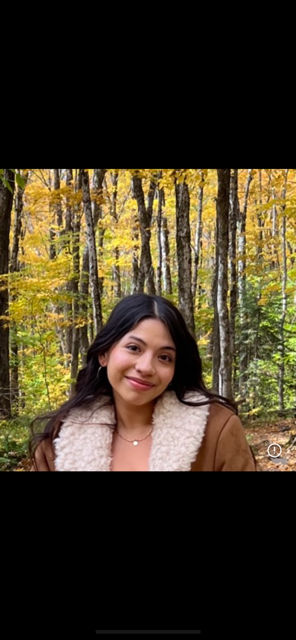
Katherine Vargas
I help students create connections to the world around them and harness empathy when examining hard history!

Santian Vataj
I try to present material in a relatable way with humor and curiosity.

Asha Whale
I am really great at affirming students.

Ta-Tyanna Williams
The ability to make history FUN! :)
Daniel Wolfe
My teaching superpower is maintaining a classroom environment in which everyone’s unique backgrounds, attributes, and talents are consistently recognized and integrated into learning experiences. I’m always working to promote engagement and provide opportunities for students to creatively demonstrate how social studies is connected to everything around them.